Compare the task behind each runtime number
A headline battery duration can describe a particular cleaning mode rather than a complete floor, wall and surface cycle. Before comparing two products, identify the operating mode associated with each figure. If the conditions are not supplied, treat the number as an incomplete specification rather than evidence of superior endurance.
Map this to your own routine. You may want a short floor clean before swimming, a more complete weekly cycle or repeated runs after debris falls. Ask whether the model can cover the required area in the chosen mode and how the manufacturer defines completion. Long nominal runtime does not automatically mean effective coverage of a complex pool.
Give charging a place in the household routine
Decide where the cleaner will be charged and stored, and check the manufacturer's requirements for that location. The charging arrangement should fit the route from poolside to storage without turning each use into a cumbersome carry. Follow the drying and connection instructions for the actual model rather than general advice borrowed from another robot.
Think about turnaround time between uses. If you expect several runs close together, charging may matter more than the maximum endurance of a single session. Ask about battery service and replacement arrangements, including whether they require an authorized repair. Those answers help you assess ownership without inventing a service life from battery capacity.
Study retrieval before you buy
Some cleaners offer parking or retrieval functions, but the name alone does not explain what you must do. Read whether the feature depends on the robot's location, its remaining charge or communication conditions. Check what happens after an interrupted cycle and which tool is provided if automated retrieval is unavailable.
Then picture the person who will lift the unit. The coping, deck height and distance to the water can change the practicality of the task. A convenient app command does not eliminate the physical lift. If handling is a major concern, prioritize a demonstration or a clear retailer return arrangement instead of assuming every cordless design is easier to manage.
When cordless makes sense
A cordless design is worth considering when cable handling is a genuine inconvenience and you have a practical charging routine. It is less compelling if your existing corded setup already works comfortably and you mainly need repeated scheduled operation. Compare exact models, because both categories contain different cleaning capabilities.
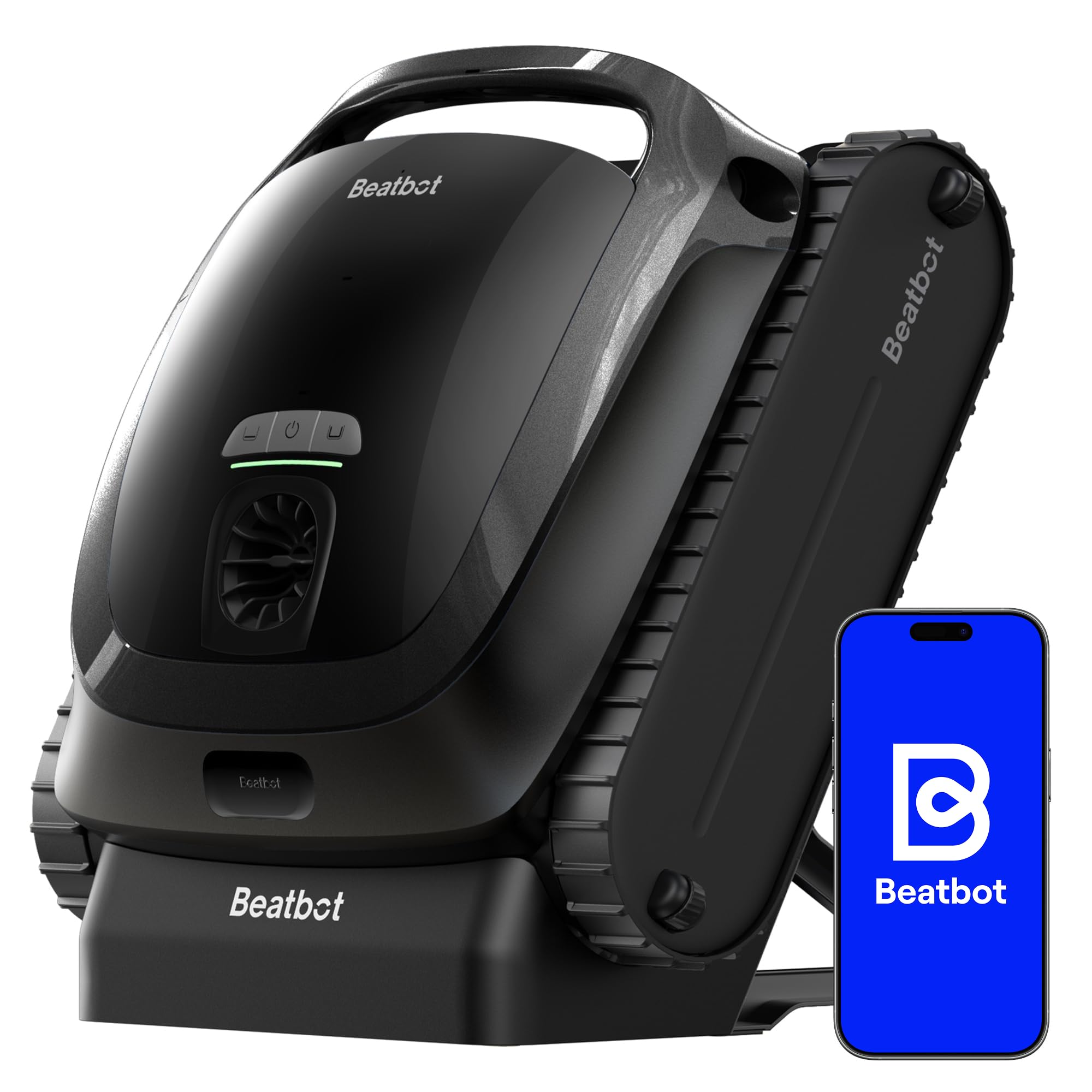
Maytronics offers cordless Dolphin products, so the decision is not simply Beatbot versus a corded-only brand. Start with coverage and pool compatibility, then choose the power arrangement. We have not measured battery endurance, pickup or navigation. This guide supplies a decision process; model-level performance and the current service terms still need to be checked before purchase.
Check the details
Sources & scope
We use manufacturer information to describe stated features. It does not prove real-world performance or make every version equivalent. Confirm current US specifications and the exact bundle before buying.
- Beatbot US: AquaSense 2 family comparison ↗
- Maytronics US: cordless Dolphin range ↗
- Aiper US: Scuba X1 Pro Max ↗